
From Apple Pressing to Pay-As-You-Can Lunches: Love Food CIC’s Community Journey
From apple pressing and cookery sessions to community lunches and food sharing, Love Food CIC is showing how food can be a powerful tool for building stronger communities.
Based in Exeter, the organisation has spent the last few years bringing people together, reducing food waste and helping people develop confidence in the kitchen.
At a time when many community groups are thinking about food security, food skills and reducing waste, Love Food CIC demonstrates that you don’t need to start with a huge project. Sometimes all it takes is one good idea and a few enthusiastic volunteers.
It all started with apples
Like many great community projects, Love Food CIC began with a simple idea.
During lockdown, volunteers organised an apple picking day in Ide, collecting surplus apples from local residents and West Town Farm. The apples were pressed and bottled at Little Bowhay Farm, producing an impressive 740 bottles of juice.
The project has continued to evolve. These days, residents pick and donate their own apples, dropping them off at Love Food’s Food Hub where the team coordinates the juicing.
It’s a fantastic example of how a local resource that might otherwise go to waste can be transformed into something useful, generating income while also bringing people together in the process.
More than just food
Their popular Pay What You Can Lunch Club now takes place at the food hub but originally began running monthly at Ide village hall and St Thomas church hall, with around 20 to 30 people gathering to enjoy a three-course meal made largely from surplus food supplied by FareShare, Exeter Food Action, Shillingford Organics and other local partners.
Guests simply contribute what they can afford.
Interestingly, many attendees aren’t there because they desperately need cheap food. Instead, they’re looking for connection, conversation and a reason to get out of the house. The lunch clubs attract a mix of older residents, home workers, parents with young children and local people who enjoy sharing a meal with others.
It’s a reminder that food projects don’t just tackle waste and food insecurity. They can also help reduce loneliness and create stronger communities.
A food hub at the heart of the community
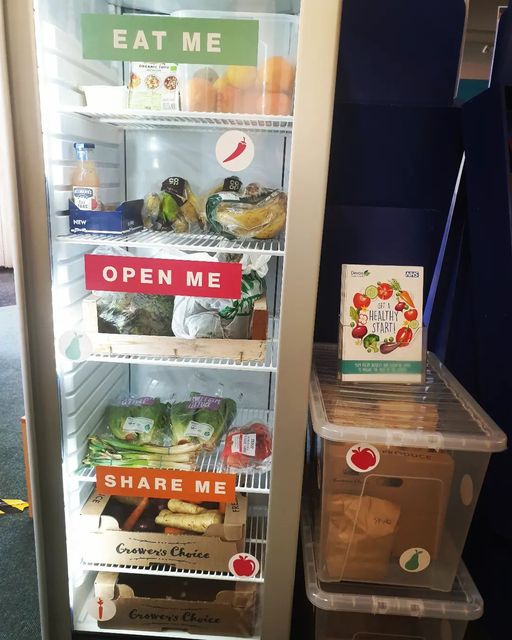
Love Food CIC also runs a community fridge, helping ensure perfectly good food is shared rather than thrown away.
The project was originally based at St Thomas Library, where volunteers managed the fridge alongside library staff. When the library moved premises, the team faced new challenges and eventually secured funding from many different routes including the National Lottery, Hubbub and Crowdfunder to establish a dedicated Food Hub.
Having everything in one place has made a huge difference. Food can be redistributed more efficiently, activities can be coordinated from a central location, and volunteers have a base from which to operate.
Today the hub supports the community fridge, lunch clubs, food redistribution and cookery activities.
Powered by volunteers
Like many CAG groups, volunteers are the driving force behind Love Food CIC does.
Some discover the organisation through cookery classes or lunch clubs and decide they want to get involved.
Of course, volunteering comes with challenges too. Recruiting volunteers can take time, and not everyone who expresses an interest follows through. For smaller organisations, losing a core volunteer can have a significant impact.
Despite this, Love Food CIC continues to build a welcoming volunteer community that helps keep its projects running.
Taking food projects into community spaces
One thing that stood out during our conversation with Maresa was the potential of community venues, particularly libraries.
Love Food CIC has run cooking demonstrations in Exeter Library using induction hobs, blenders and simple ingredients. Libraries are trusted, accessible spaces that already attract a wide range of people, making them ideal places to start conversations about food.
Their experience suggests that the best way to engage new audiences isn’t always to hold a dedicated food event. Instead, take food activities to places where people already are.
Disco Soup events, apple days, cooking demonstrations and free tasters all help spark conversations with people who may never attend a traditional sustainability event.
Thinking about starting something in your community?
Maresa’s advice is simple:
Start small.
Rather than trying to launch a community fridge, cookery programme and lunch club all at once, begin with a single activity that fits your interests, volunteers and available facilities.
An apple pressing day. A cooking demonstration. A shared community meal. A food waste workshop.
Small projects often lead to bigger opportunities.
If you’re planning food activities, make sure you think about practical requirements such as handwashing facilities, access to electricity and food hygiene requirements. But don’t let that put you off getting started.
Looking ahead
Like many community organisations, Love Food CIC faces ongoing challenges around funding, particularly for core costs such as premises and staff time. You can support them via their crowdfunder https://www.crowdfunder.co.uk/p/love-food-cic-prize-draw
With their current lease ending next year, they are exploring options for the future and looking at where activities such as the community fridge might be hosted.
Whatever happens next, their story shows the difference that community-led food projects can make.
From a single apple juicing day to lunch clubs, cookery sessions and food redistribution, Love Food CIC has created opportunities for people to learn new skills, share food, reduce waste and build connections.
Could your group do something around food?
Food is a fantastic way to engage people who might not normally come to a sustainability event. Whether it’s an apple day, a cooking demonstration in your local library, a community meal or a surplus food project, there are plenty of ways to get started.
